SpinShark UK Guide
Licence and safety checks
SpinShark Licence, Safety and Trust
 Available in GB
The public Gambling Commission register check used for this guide returned no UKGC licence held by SpinShark. The Gambling Commission says remote operators need a licence if they provide gambling facilities to consumers in Great Britain, including operators based outside Great Britain. The opened SpinShark terms did not show a general UK account prohibition, so the factual position is narrower than a simple yes or no: this page does not claim SpinShark is UKGC-licensed, does not label it illegal, and does not treat the absence of a verified UKGC entry as changing separately checked facts about bonuses, games, payments or support.
- Quick licence verdict for UK readers
- What the UKGC register check means
- GB remote-gambling context
- Licence isolation: what stays factual
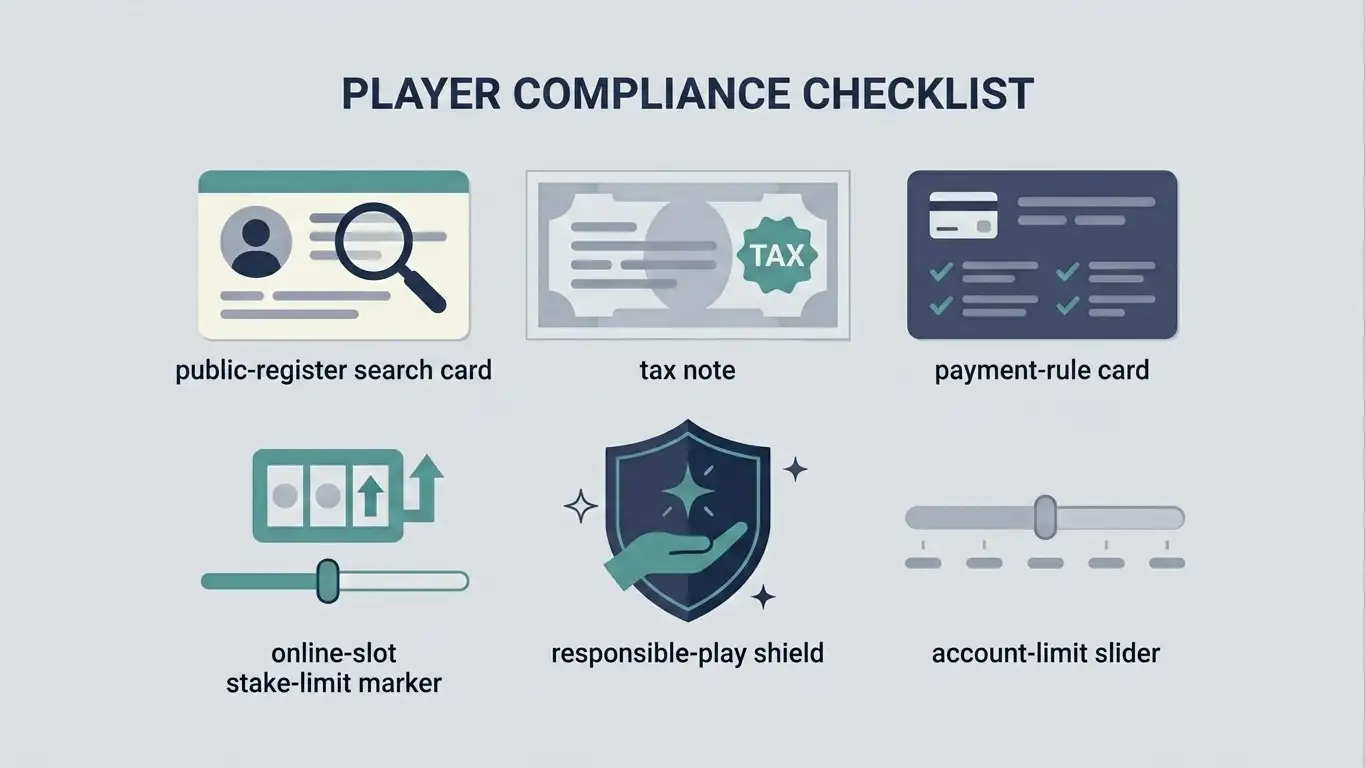
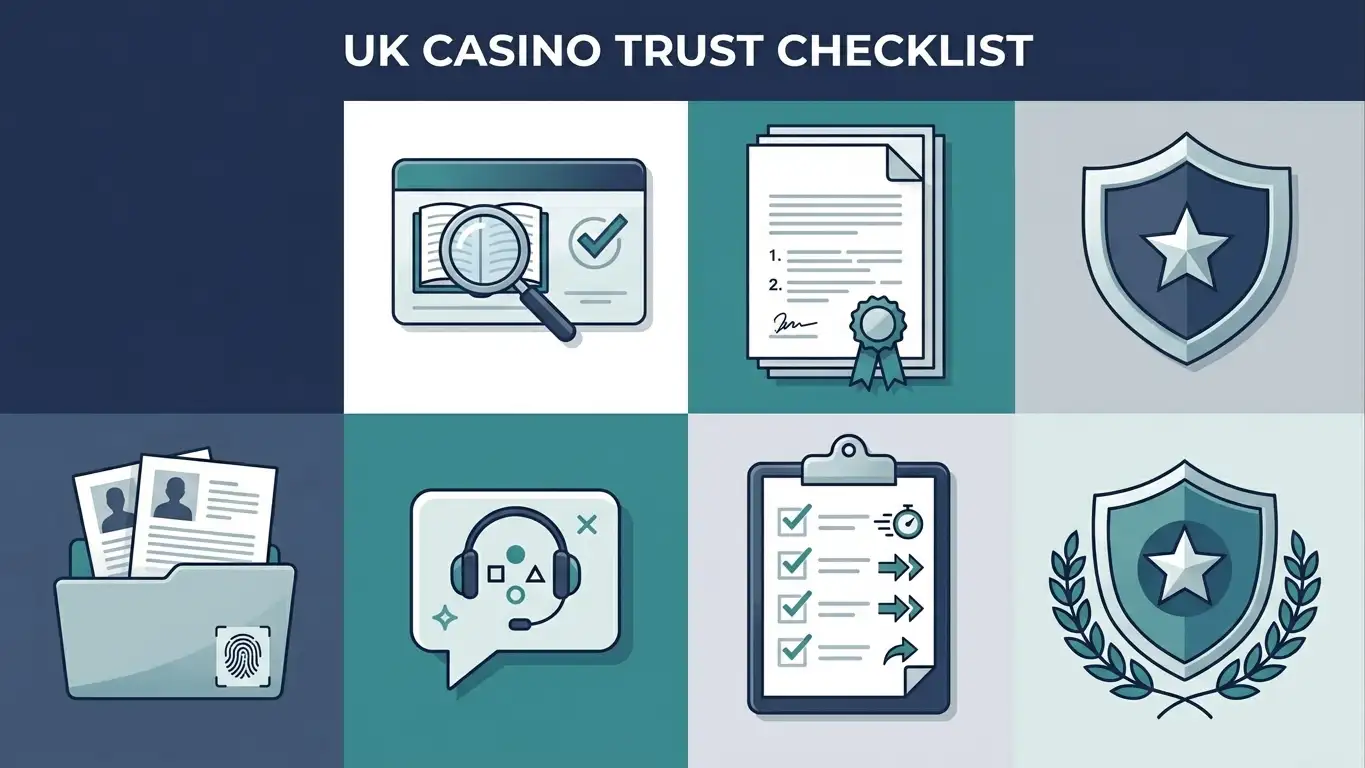
- SpinShark trust checklist
- Responsible-gaming signals and their limits
- Support and complaints signals
- How to use Trustpilot and review feedback
- Advertising and tone: why this guide avoids hype
- Decision guide before depositing
- Licence and trust FAQ
- Source checks used for this page
Quick licence verdict for UK readers
The central SpinShark licence point is direct: no UKGC local licence claim is safe for this site. The public register is the official place to check gambling-business licences, trading names and domains, and the project register check did not verify SpinShark or the spin-shark.com domain as a UKGC licensee. That means this guide avoids language such as “UKGC licensed”, “UK regulated”, “GAMSTOP coverage” or “covered by UKGC dispute handling” for SpinShark.
At the same time, a missing verified local licence entry does not turn every brand fact into speculation. SpinShark’s own pages list a welcome offer, casino categories, GBP support, live chat, responsible-gaming resources and account terms. Those facts can be discussed where separately sourced. The trust question is how a UK reader should weigh them when the local licensing signal is not verified.
Trust position in one paragraph
SpinShark has visible site content, bonus terms, games pages, support pages and responsible-gaming material, but this guide found no verified UKGC local licence entry. Treat SpinShark as a brand that needs extra pre-deposit checking rather than as a GB-licensed operator. Use the UK player guide for local context before treating any casino site as suitable for real-money play.
What the UKGC register check means
The UKGC public register lets users search by business name, trading name, domain name or account number. It also explains that domain names and trading names are provided by gambling businesses, and that the register records licence status, account name, trading names, domains, premises count and regulatory actions. For a UK trust page, that register is the starting point because it is the official source for a GB local operating licence check.
The result used here is negative for SpinShark: no local UKGC licence was verified. This is a boundary for public wording. A page can say the search did not verify a UKGC local licence; it cannot jump to unsupported claims about criminality, guaranteed inaccessibility, hidden ownership, or a specific offshore licence number. It also cannot imply that a player would receive UKGC complaint handling or other GB licensee protections through SpinShark.
When reading any casino review elsewhere, look for the same discipline. A trustworthy review should identify the actual licence holder, show the registered domain or trading name, and distinguish local licensing from broader brand availability. If a review says “UK licensed” without a register trail, treat that as a warning sign.
GB remote-gambling context
The Gambling Commission’s remote-sector guidance says businesses need a licence from the Commission if they provide remote gambling facilities to consumers in Great Britain. It also states that a business based abroad must have a licence to serve British consumers, using England, Scotland and Wales as examples of the British consumer market.
That rule is context, not a substitute for legal advice and not proof of SpinShark’s live access decisions. It tells a UK reader what to verify before depositing: whether the operator is recorded in the public register, whether the domain is listed, whether the brand displays a licence link, and whether the terms create any jurisdiction restrictions. For SpinShark, the opened official terms did not show a general United Kingdom or Great Britain account prohibition, but the public UKGC licence claim remains unavailable.
This distinction matters because readers often mix two different questions. “Can I open the site?” is not the same as “is the operator locally licensed?” A site can be visible without a local licence signal, and a visible sign-up route does not replace a register entry.
Licence isolation: what stays factual
Licence isolation means each claim is judged on its own evidence. The no-UKGC-licence finding controls local licence wording only. It does not cancel verified information from SpinShark’s official pages about the welcome offer, 40x wagering, £5 maximum bonus bet, game categories, GBP deposits and withdrawals, account currencies, KYC document checks, withdrawal limits or live chat.
That is why the SpinShark bonus guide can still explain bonus terms, while this page explains why bonus availability should not be read as UKGC approval. The same applies to the games and providers page and the payment methods guide. A game lobby and a cashier are operational signals. A public-register result is the licensing signal. They are related in a reader’s risk assessment, but they are not interchangeable.
The practical outcome is a stricter reading habit. Use sourced facts for what SpinShark publishes, but keep a separate column for trust and local-protection checks. If a site is not verified as a GB licensee, do not assume GAMSTOP coverage, UK alternative dispute-resolution routes, UKGC compliance standards or UK advertising status.
SpinShark trust checklist
| Checkpoint | Verified position for this guide | Reader action |
|---|---|---|
| UKGC licence | No UKGC local licence was verified for SpinShark. | Search the public register by brand, trading name and domain before depositing. |
| Terms availability | Official terms are visible and include eligibility, currencies, account use, KYC and withdrawals. | Read the current terms, especially jurisdiction, payment and verification clauses. |
| Responsible gambling | The responsible-gaming page says self-exclusion can be arranged through Live Chat and links to outside help resources. | Do not register if you are self-excluded or trying to control gambling harm through abstinence. |
| Support | SpinShark lists 24/7 live chat on its support and responsible-gaming pages. | Test support with a terms question before committing funds. |
| KYC and payments | Terms allow identity checks before payouts and include payment-owner rules. | Read the registration guide before the first deposit. |
| Reputation | Trustpilot is a useful live reputation checkpoint for payment and support feedback. | Check recent reviews by topic, not just a headline score. |
Responsible-gaming signals and their limits
SpinShark’s responsible-gaming page states that users can request self-exclusion by contacting support through Live Chat. It also says the support team is available 24/7 and points users to external resources including GamCare and Gambling Therapy. Those are concrete signals because the page identifies a route and names support resources.
They are not the same as verified UK self-exclusion scheme membership. This guide does not claim that SpinShark is connected to GAMSTOP or that a UK self-exclusion record will automatically block access. A UK reader who is self-excluded, recovering from gambling harm, or using blocking tools should not treat an offshore casino’s internal self-exclusion process as a replacement for GB-wide safeguards.
The responsible way to use the information is simple. If you need to reduce or stop gambling, use independent help routes first. If you already have a SpinShark account and need exclusion from that account, use the site’s live chat route and keep records of the request. If you are comparing sites, give more weight to public licensing, robust limit tools and clear complaint routes than to promotional copy.
Support and complaints signals
The official support page lists email support and live chat, with live chat described as open 24/7. That helps from a trust perspective because a reader can test responsiveness before depositing. Ask a clear question about UK access, verification, withdrawal limits or bonus eligibility and save the response. The official terms also state that the terms override support advice if there is a conflict, so live chat should not be treated as a substitute for written terms.
For complaints, the trust boundary is again important. The terms tell users to reach the support team for payment, bonus or responsible-gaming issues and mention escalation if needed. This page does not add a UK ADR body, UKGC complaint route or named regulator for SpinShark because those details were not verified as a safe local-licence claim.
How to use Trustpilot and review feedback
Trustpilot is useful as a live reputation checkpoint, especially around payments, verification and customer service. It should not be reduced to a single rating. Recent review themes matter more than an average score because withdrawal problems, document loops and support delays are the types of issues that affect real-money users most.
Use reviews with care. Separate verified post-deposit complaints from bonus anger, competitor spam and generic praise. Look for patterns over time: the same payment delay repeated by several users is more meaningful than one extreme comment. Also check whether the casino replies, whether replies address the issue, and whether resolved cases show a consistent process.
This page deliberately does not state a fixed Trustpilot score or review count. Those figures change and need a live check at publication time. The durable guidance is to use Trustpilot as one input after the register, terms, cashier and support checks.
Advertising and tone: why this guide avoids hype
UK gambling marketing rules require gambling communications to be socially responsible and to protect children, young persons and vulnerable persons from harm or exploitation. The CAP Code also prohibits messages that present gambling as a solution to financial concerns, an escape from problems, a route to self-worth, or a test of toughness.
That is why this guide does not frame SpinShark as a way to win money, does not pressure readers to sign up, and does not use affiliate-style urgency. Trust copy should reduce risk, not create excitement. A casino can have attractive games and bonuses while still needing hard checks on licence, terms, KYC, withdrawals and responsible-gaming controls.
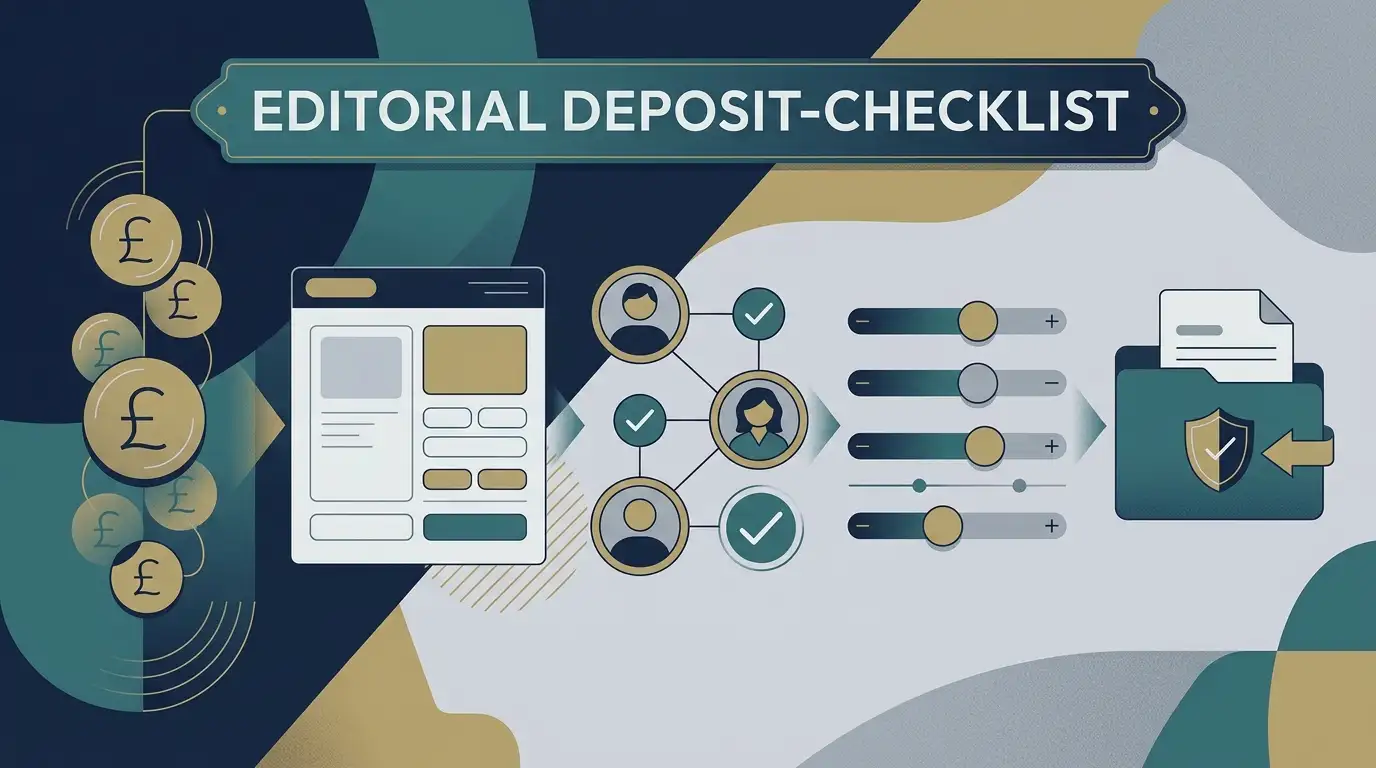
Decision guide before depositing
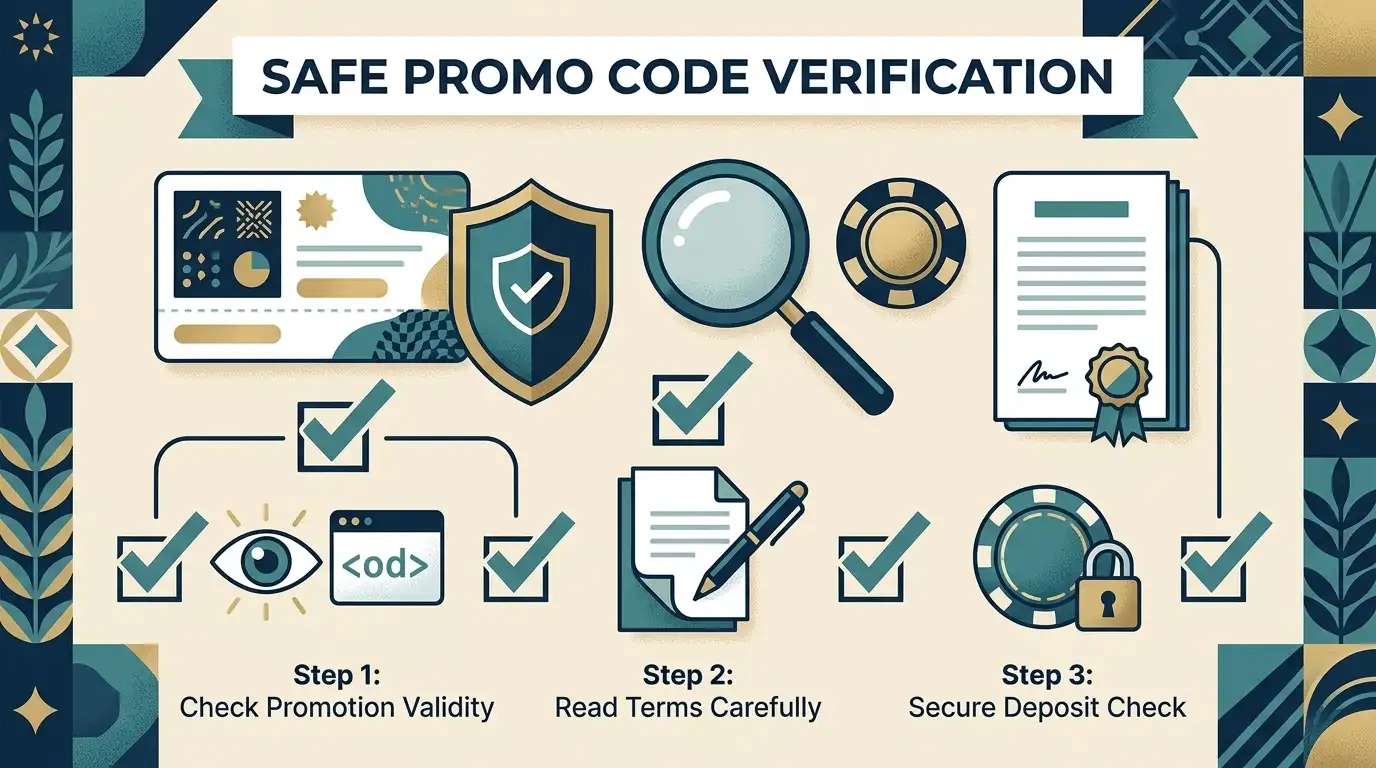
- Search the UKGC register: check brand, domain and trading names, and do not rely on third-party badges.
- Read the current terms: focus on eligibility, account use, payment ownership, KYC, withdrawal limits and complaints.
- Test support: ask one practical question through live chat before moving money.
- Check bonus fit: do not accept a bonus until you understand 40x wagering, contribution rates and max-bet rules.
- Check payments: confirm GBP method availability, minimums and bank-transfer timing in the cashier and terms.
- Prepare KYC: the SpinShark sign-up steps and KYC guide explain document-readiness before payouts.
- Stop if risk is uncomfortable: missing local licence verification is a valid reason to choose a different operator.
Licence and trust FAQ
Source checks used for this page
- UKGC register of gambling businesses
- UKGC remote-sector guidance
- Official SpinShark terms and conditions
- Official SpinShark responsible-gaming page
- Official SpinShark support page
- CAP Code Section 16 on gambling marketing
Created by the ”Spinshark” editorial team.